Divi’s Nutraceuticals is the world’s leading manufacturer and supplier of feed-grade astaxanthin for aquaculture.
Our astaxanthin is available in multiple forms designed to meet a broad spectrum of application requirements, including beadlets and suspensions.
ASTAXANTHIN FOR AQUACULTURE
Astaxanthin is a naturally occurring oil-soluble red carotenoid pigment found primarily in aquatic animals. The oleoresin is used in both human nutrition applications and animal feed.
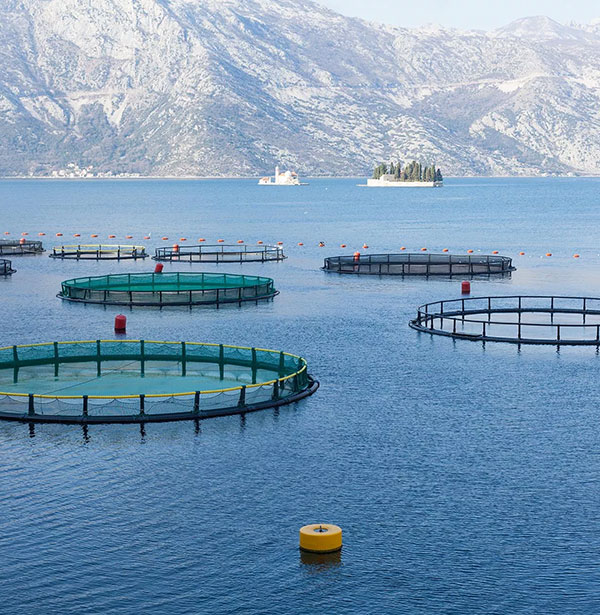
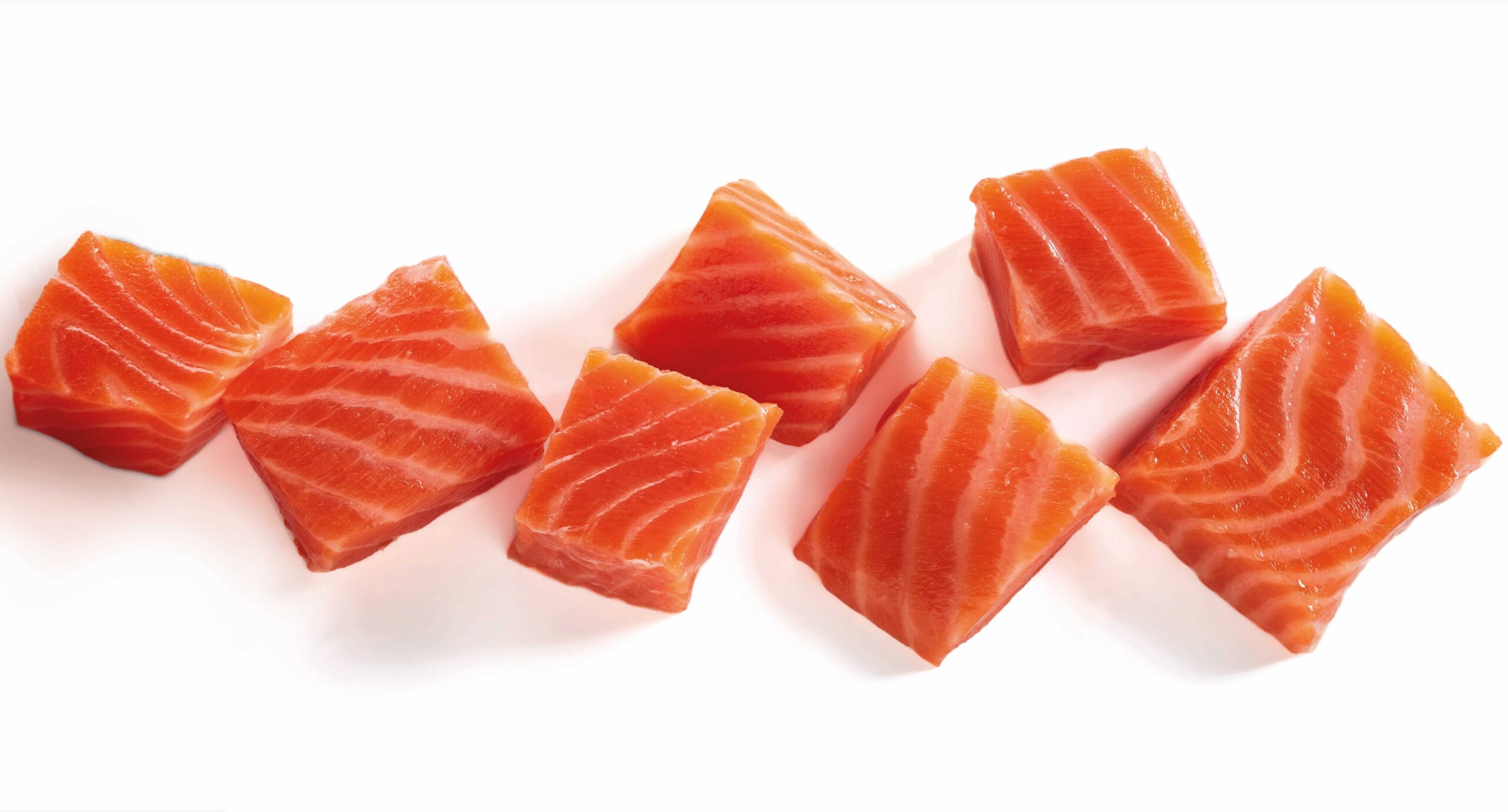
In the field of aquaculture, astaxanthin plays an important role in enhancing the pink flesh color of farmed salmon, making it more attractive to consumers. Astaxanthin also provides increased growth and survival, increased ovary development, fertilization, hatching and larval development in salmon and other farmed fishes. In shrimp, it can increase growth and immune response.
DIVI’S SYNTHETIC ASTAXANTHIN FOR AQUACULTURE
As the world’s leading manufacturer of astaxanthin for animal feed, we have extensive experience in formulation for aquaculture applications.
We offer astaxanthin as beadlets and suspensions in a range of concentrations to meet varied application requirements. Our microencapsulation technology provides extrusion stable beadlets and ensures that the astaxanthin is bioavailable for pigmentation.
A Range of Colors for Every Need
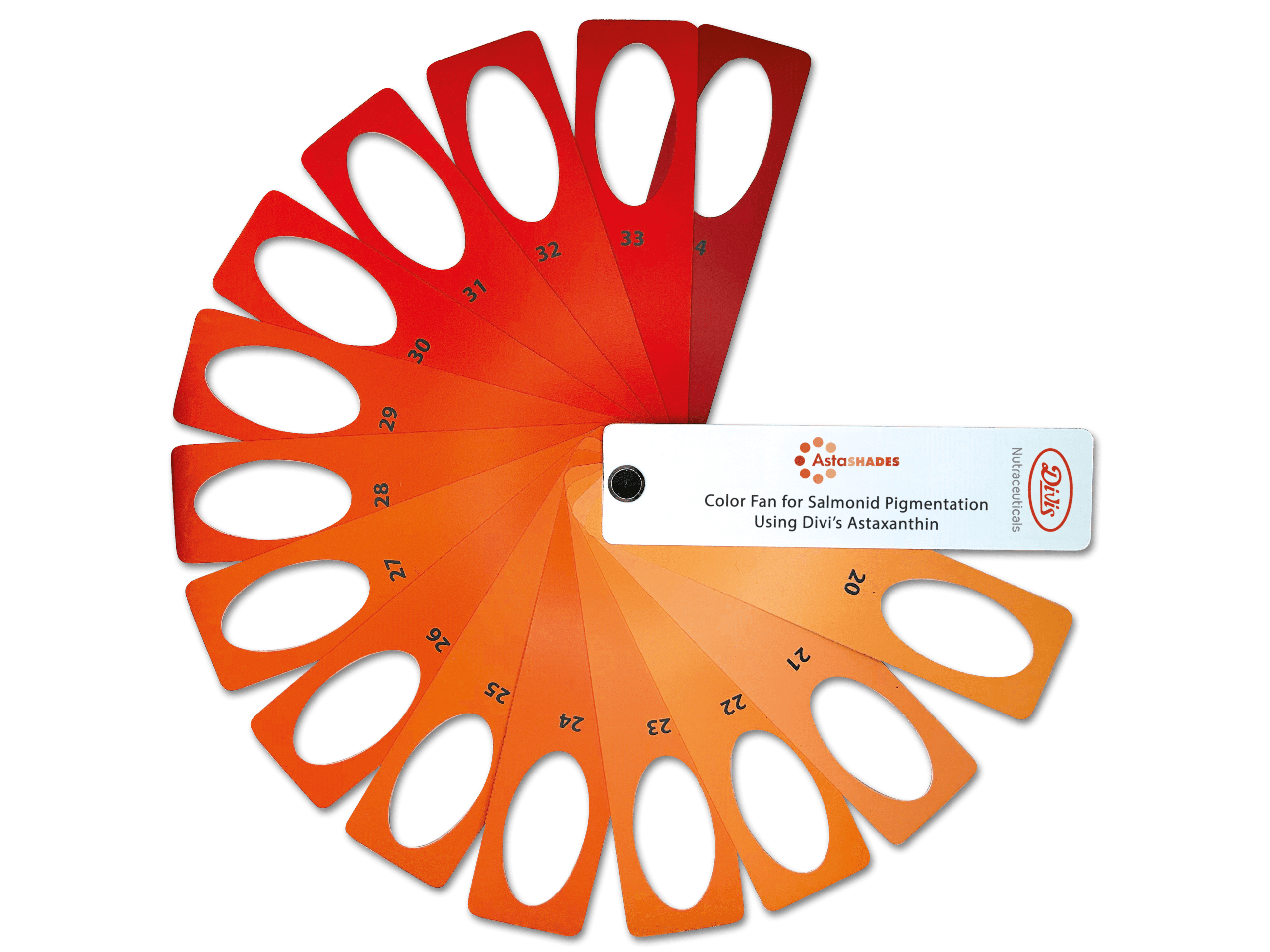
Depending on the market in which you want to sell your products, consumer perception and expectations in terms of color will vary greatly. By using our astaxanthin and canthaxanthin products, you will be able to achieve any requested color, from light to dark salmon pink.

This website does not guarantee an exact rendering of colors with respect to the final product. Please contact us for an accurate color reference.

To help our customers assess the color of their products, we have developed the AstaShades color fan, a convenient tool that can be used for fish and shrimp evaluation.
Do not hesitate to contact our team for further information.
Salmon and Trout
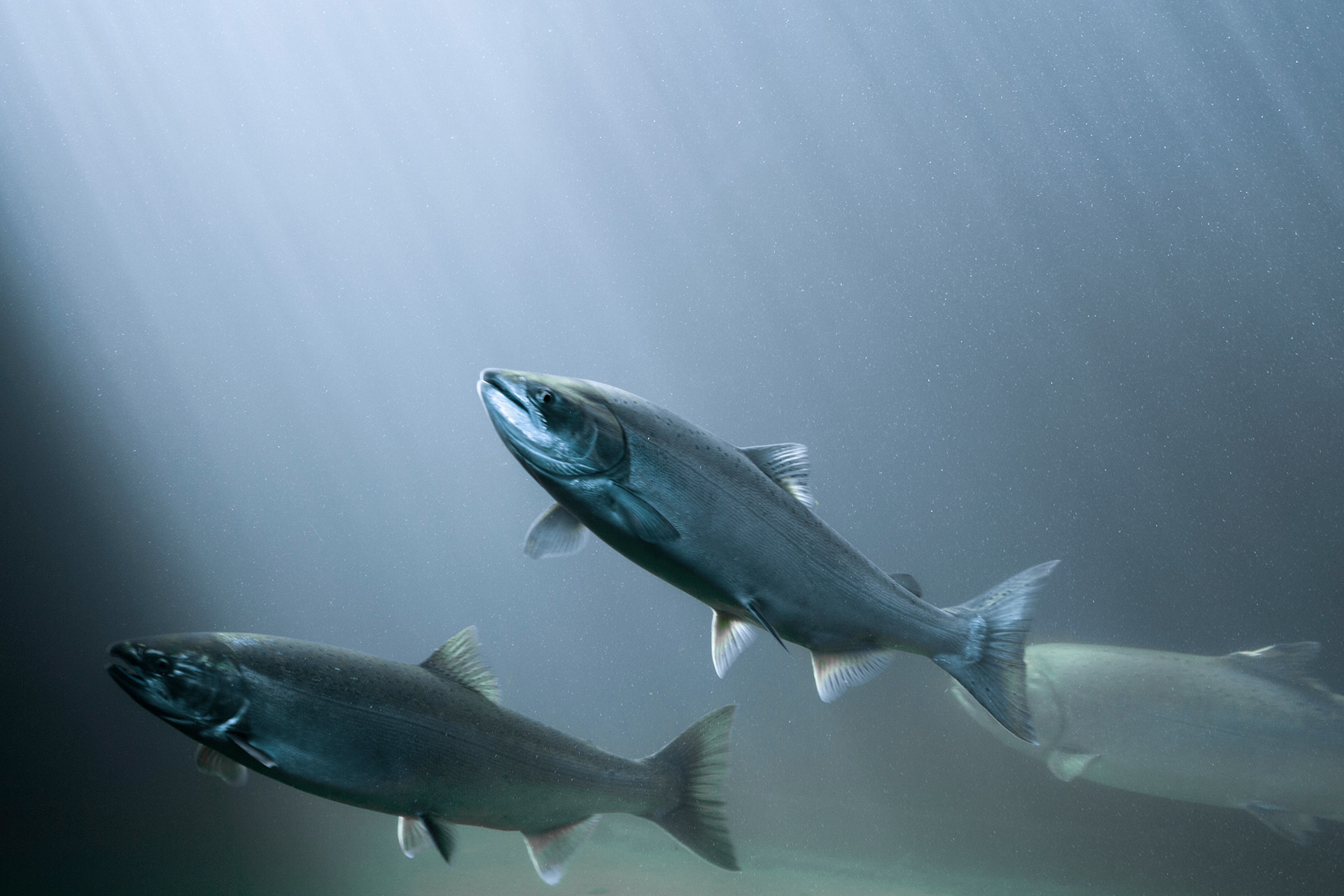
Astaxanthin is an essential nutrient for salmon and trout to stay healthy and disease free. Fishes are unable to synthesize astaxanthin on their own, which means they require it through dietary intake. In the wild, salmonids consume algae, yeasts and bacteria that contain astaxanthin. In aquaculture farms, astaxanthin is provided through feed fortification.
Shrimp
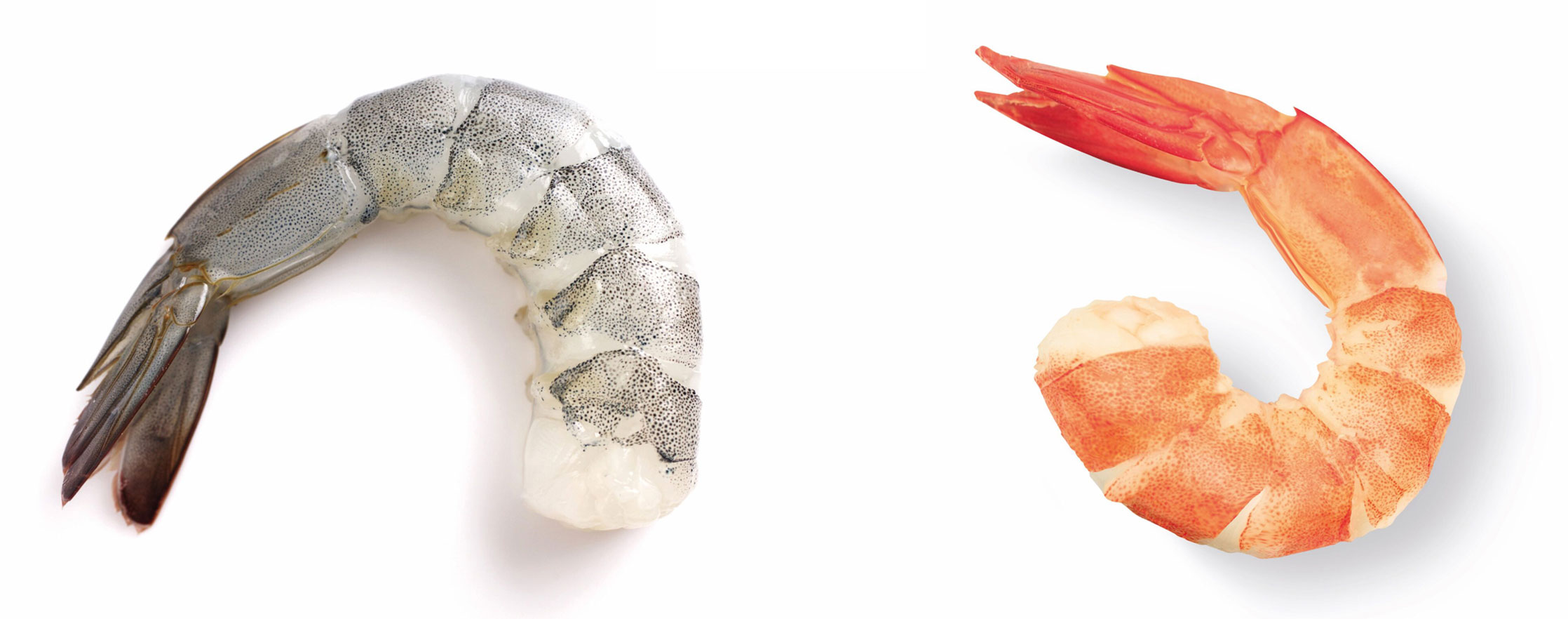
In shrimps, astaxanthin is responsible for the orange-red color after cooking.
Astaxanthin is a red pigment that belongs to a group of chemicals called carotenoids. In raw shrimp, astaxanthin forms a complex with proteins, called crustacyanin. This gives a blueish-grey color to the raw shrimp.
As soon as shrimps are put in boiling water, their protein wrapping uncoils because these protein chains are not heat stable. This leads to the uncovering of astaxanthin molecules, which results in an orange-red color.
Influencing Factors on Pigmentation
Many factors influence the pigmentation and final color of fish flesh:
We conduct conducting experiments in collaboration with the CRIA (Center for Research and Innovation in Aquaculture) in order to measure these various parameters and collect data ranging from the health of the fish to the final color.
Contact our experts for more information.
BEYOND COLORATION: PROMOTING FISH HEALTH
As the world’s leading manufacturer of feed-grade astaxanthin, we
are conscious of our role in supporting responsible aquaculture.
Our research programs focus not only on the appearance but also
on the good health of farmed fish.
We are conducting experiments in collaboration with the
University of Chile in order to measure various parameters and
collect data ranging from the health of the fish to the final color.
We are also developing solutions to the problems faced by feed
manufacturers and farmers in terms of ingredient stability. Our
pipeline includes new ingredients that we will soon be launching to
further our mission to support aquaculture.
Do not hesitate to contact us if you have any questions or to
request support.