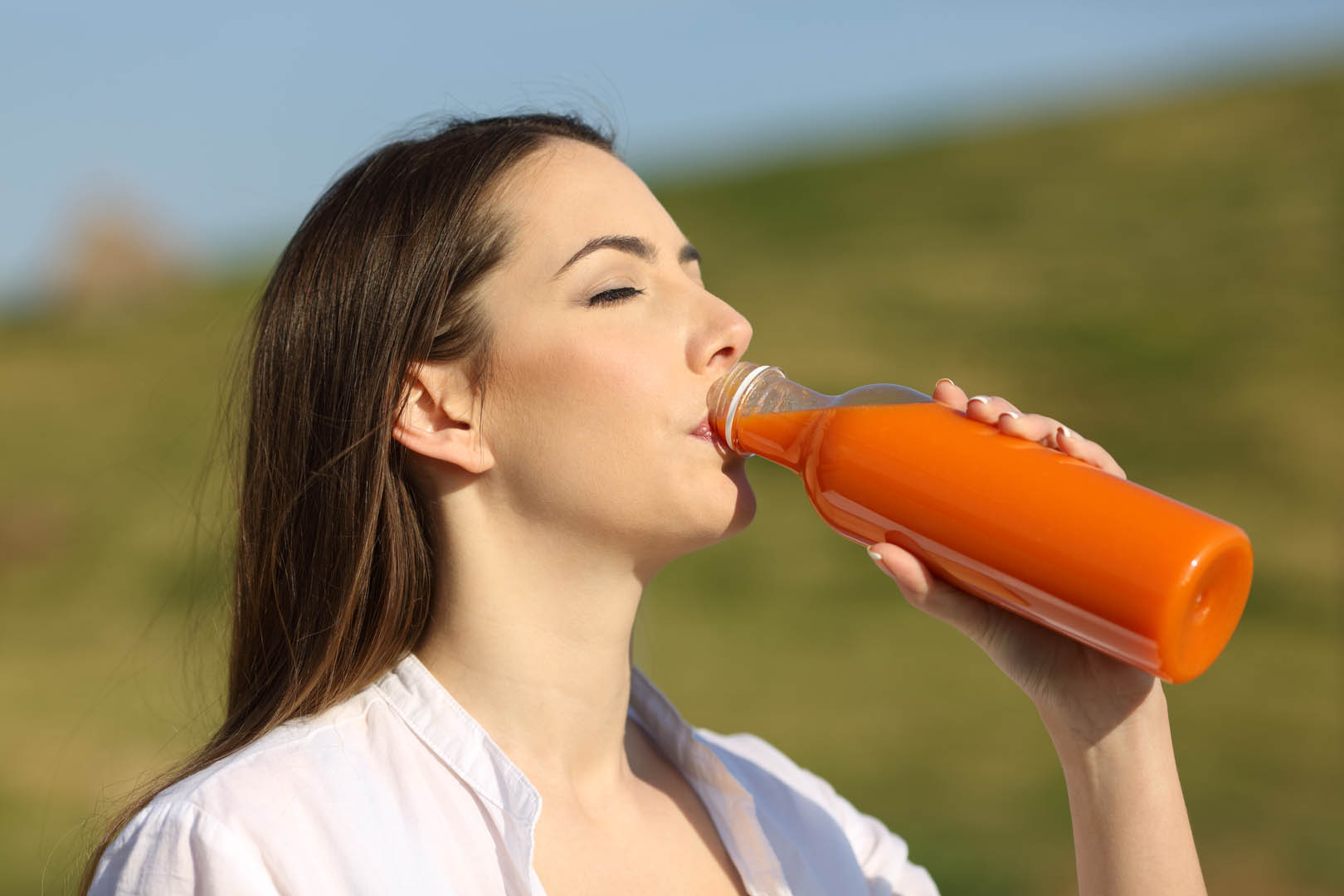
Consumers around the world are drawn to the most appetizing foods. Appearance and color play a key role in food selection and purchasing decision.
However, consumers are highly concerned about the effects of artificial azo dyes on health and are looking for other options with transparent, clean labels.
Manufacturers need to promote simple ingredients that consumers can identify and understand. Brands should take into account these evolving consumer attitudes and purchasing behavior.
Switching from artificial azo dyes to carotenoids can help manufacturers
- stay ahead of regulations
- meet consumer expectations
- enhance brand reputation
The Decline of Synthetic Food Dyes in the U.S.: Upcoming Bans and Industry Shifts
In the United States, azo-based synthetic food dyes – especially FD&C Red 3, Red 40, Yellow 5 & 6, Blue 1 & 2, and Green 3 – are undergoing a major regulatory overhaul. Beginning January 2027, Red 3 will be banned from foods and drugs, and the FDA is working to phase out the remaining dyes by the end of 2026, including revoking authorization for dyes like Citrus Red 2 and Orange B.
Meanwhile, states including West Virginia, Virginia, Utah, Arizona and California are already enacting bans, first focused on school meals and, in some cases, expanding to all food products. As a result, many food manufacturers have voluntarily committed to dye removal amid growing concerns over potential health risks and consumer preference for clean labels.
EU Regulations on Azo Dyes: Safety Concerns and Labeling Requirements
Many azo dyes are not permitted in food in the EU due to safety concerns, especially those that may release carcinogenic aromatic amines. Since 2010, permitted azo dyes (E102, E104, E110, E122, E124, E129) must be labeled with: “May have an adverse effect on activity and attention in children.” Some countries within the EU, like Austria and Norway, have stricter national regulations restricting these dyes.
Carotenoids are a healthy alternative to the use of artificial AZO DYES
Carotenoids are often used as colorants in foods, beverages and supplements.* They provide bright, appealing yellow, orange and red colors which are highly attractive and commonly associated with freshness and ripeness in food.
Due to their nature-identical origin, carotenoids are ideal as clean-label ingredients. In addition, many carotenoids are provitamin A compounds and have antioxidant properties. Their use can enhance the nutritional value of products.
Compared to other natural pigments, carotenoids are relatively stable under heat and pH variation, making them suitable for a wide range of processed foods.
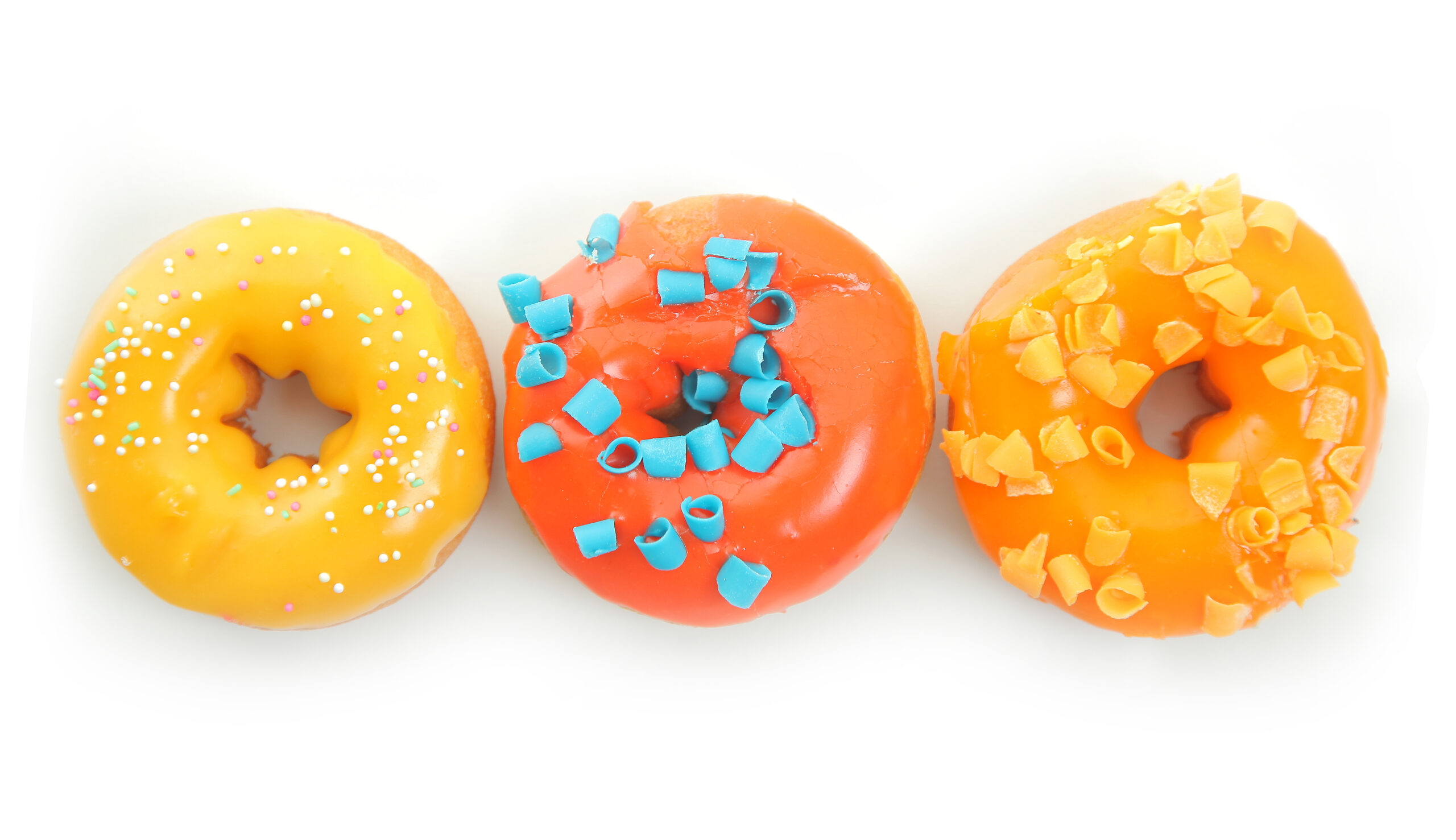
DIVI’S color solutions for beverages, foods and supplements
As experts in synthesis and formulation, we offer a range of carotenoids for fortification and coloration of foods, beverages and supplements.
Our carotenoids are either derived from natural sources or produced by fermentation or synthesis. They are available in numerous high-quality formulations, enabling them to be used in a variety of applications with excellent technical performance.
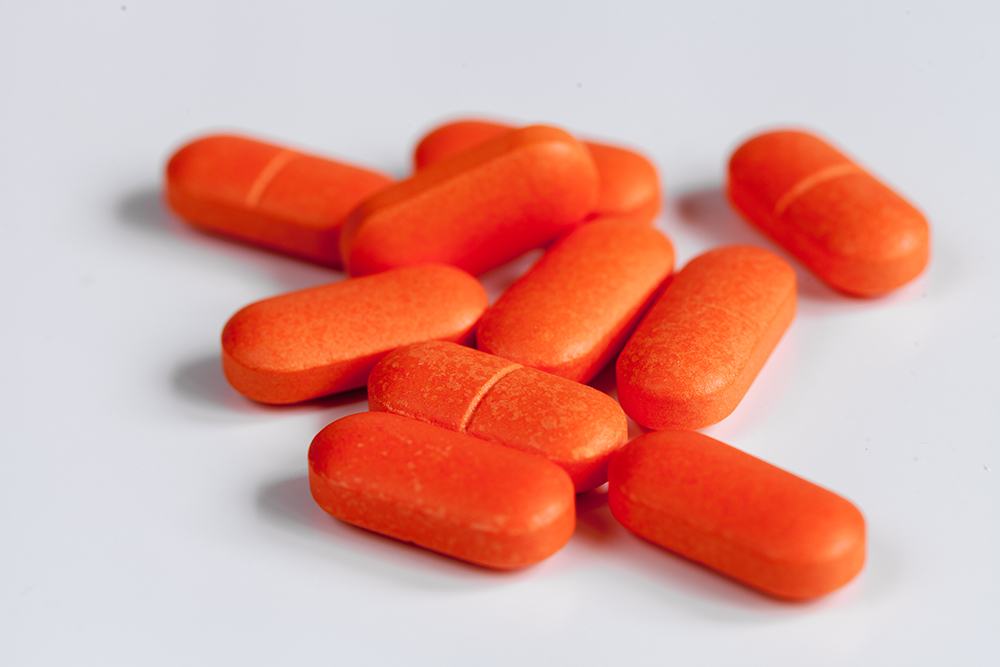
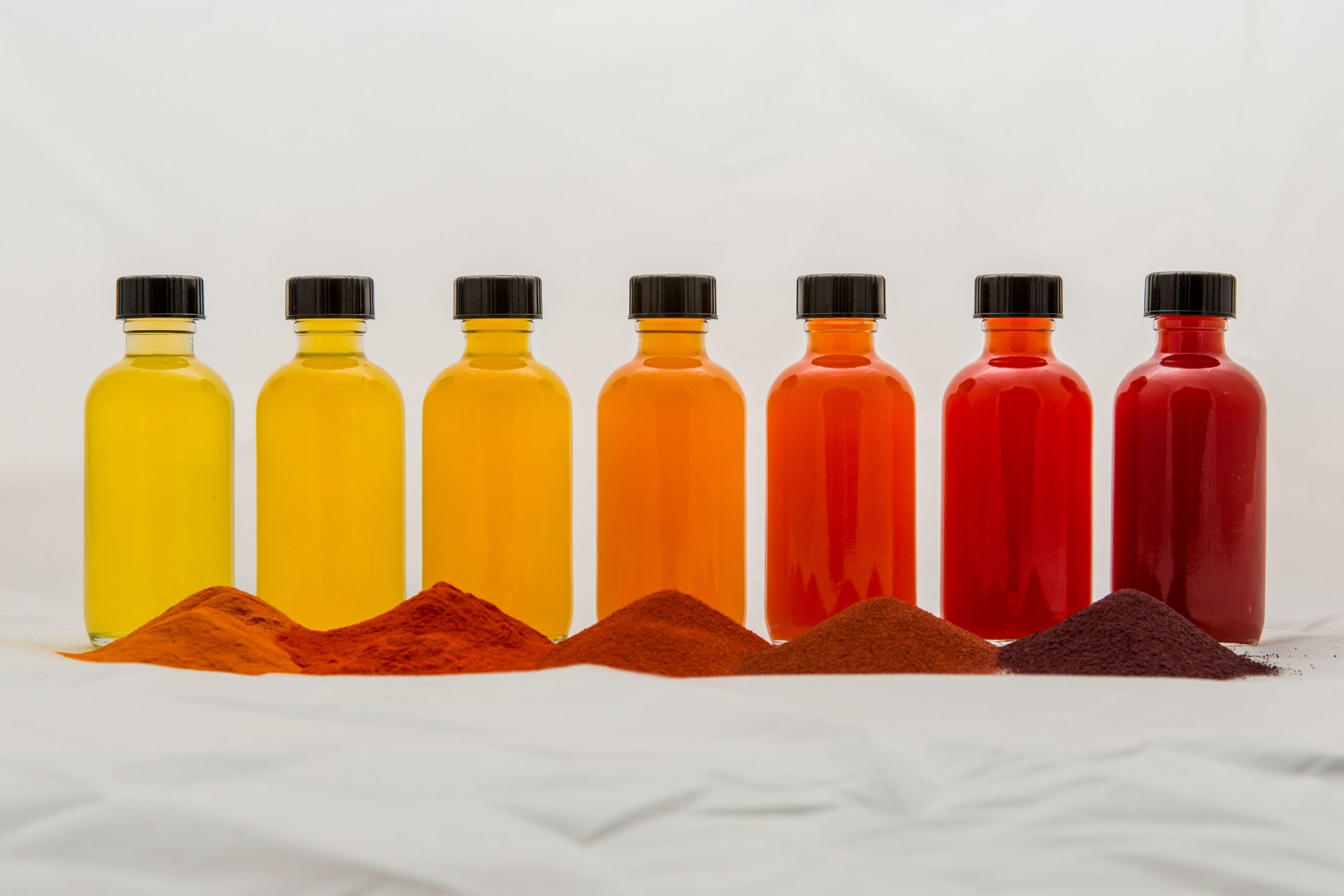
From pale yellow to light pink, warm orange and deep red, our carotenoids offer a wide spectrum of colors. Our ingredients are stable, enabling to achieve consistent color shades in a host of applications. They are an ideal replacement for FD&C colorants, helping food and beverage manufacturers make the transition to clean labels.
Our fully validated and backward integrated manufacturing process – from the molecule to the ingredient formulation – enables us to control production and supply chains. We offer full traceability of our products and guarantee their quality.
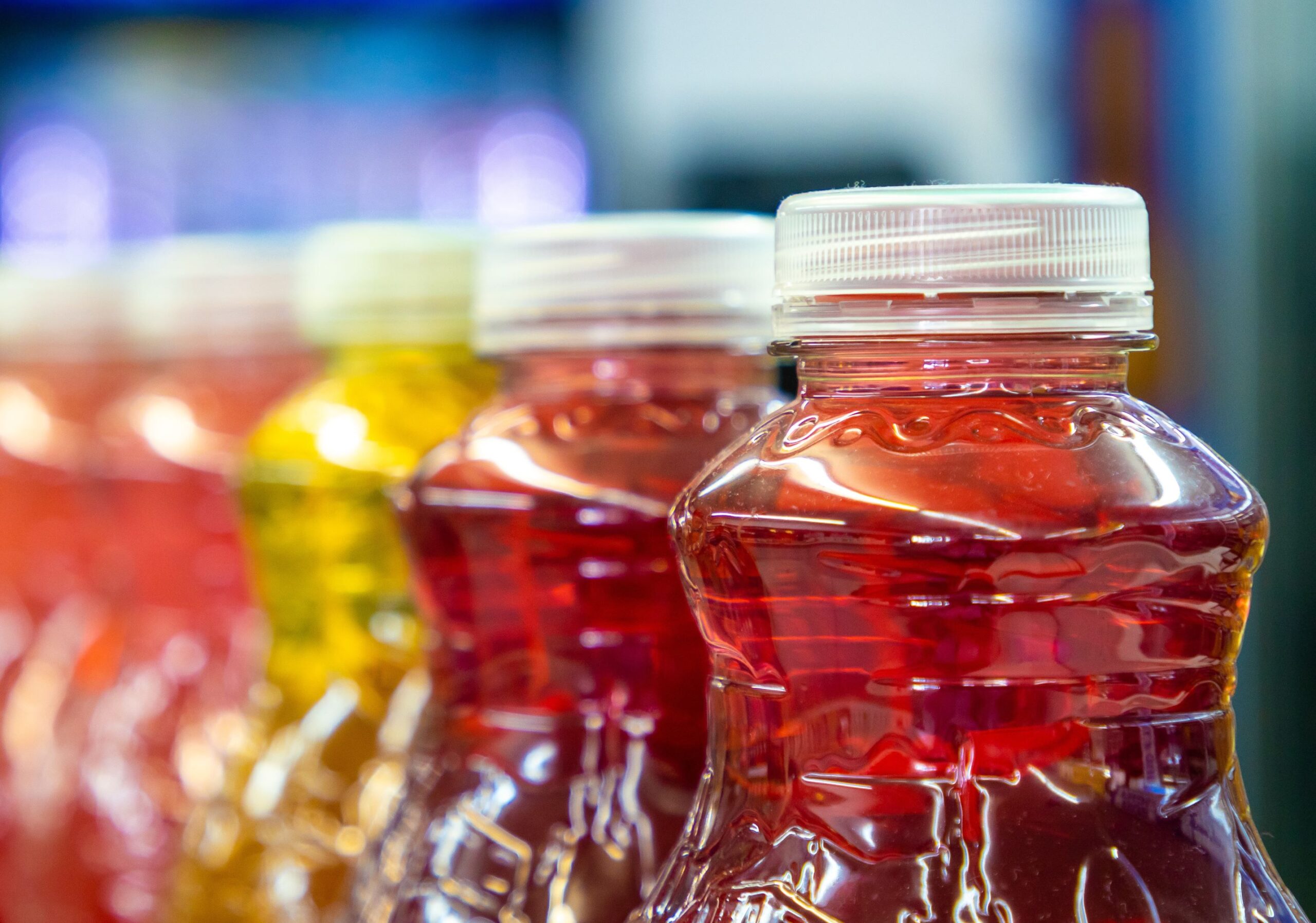
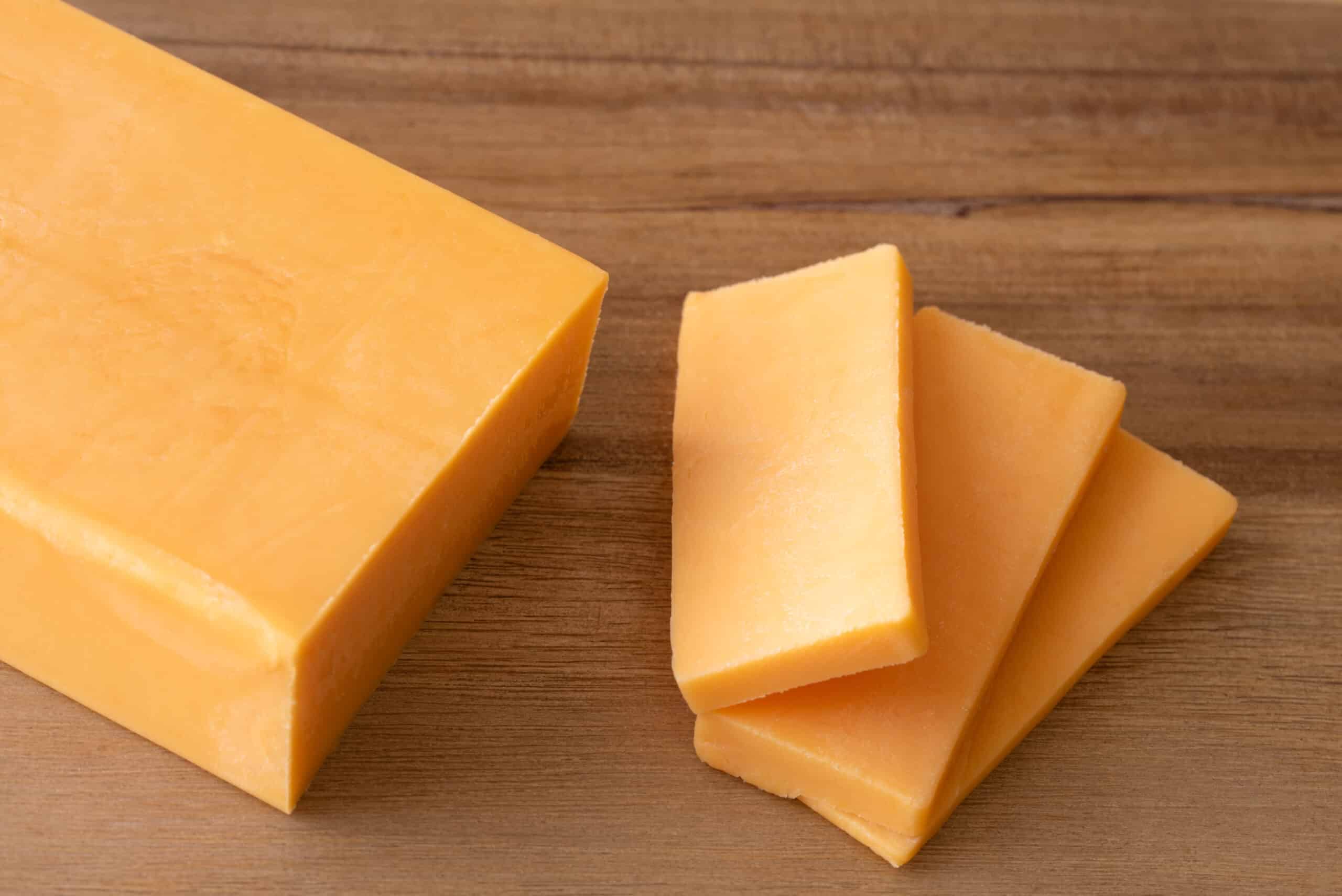
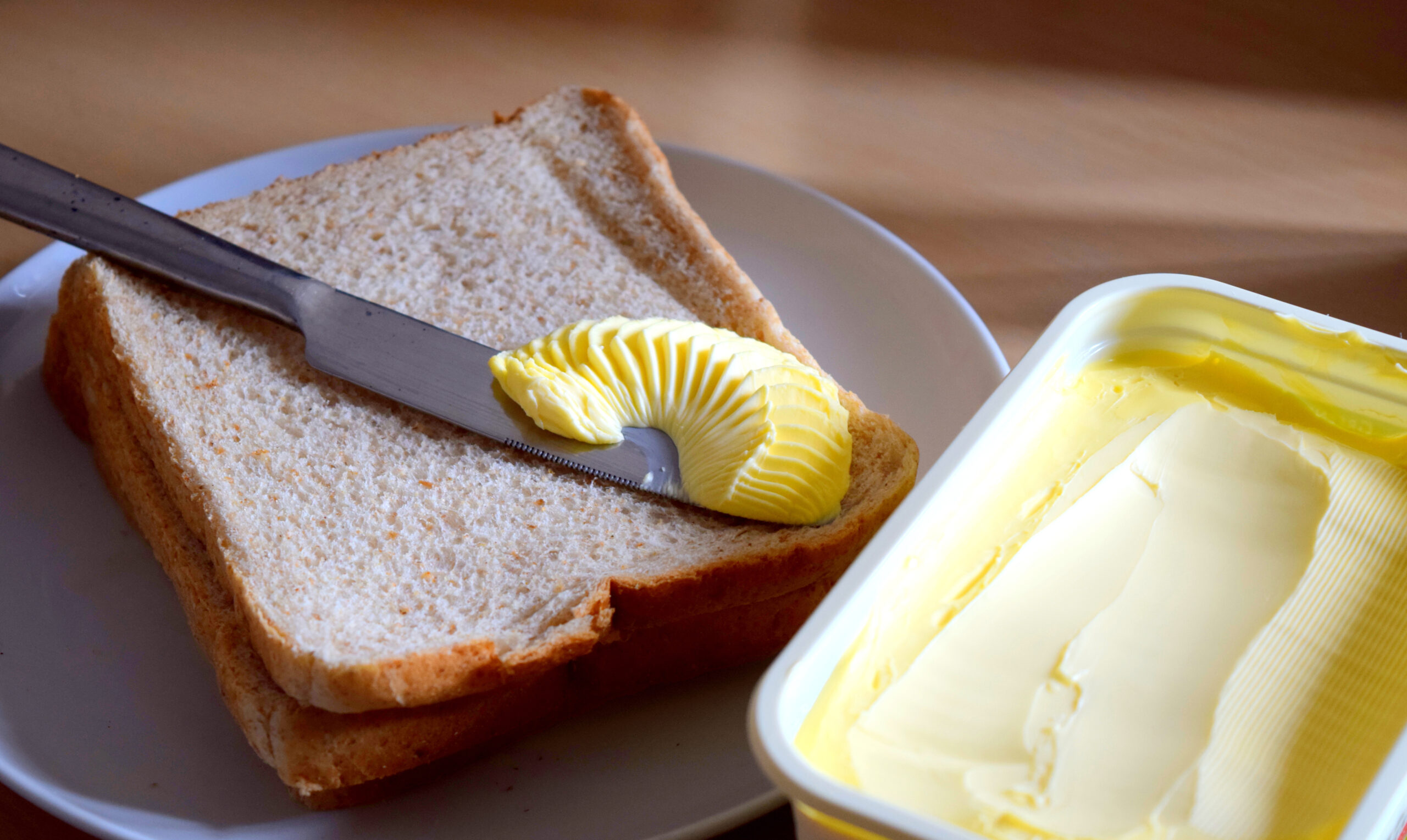

Divi’s carotenoid portfolio for coloration
BETA-CAROTENE
Beta-carotene is the most versatile and popular carotenoid for coloration due to its brightness, functional benefit and regulatory acceptance.*
Beta-carotene offers excellent color stability to light and oxygen and survives most cooking and baking. It is stable across a wide range of pH. Thanks to its neutral taste, beta-carotene can be incorporated into a variety of applications, adding nutritional benefits as a provitamin A.
Beta-carotene is an effective alternative to several synthetic food dyes, especially those in the yellow to orange-red color range. Natural versions of beta-carotene meet clean-label and “no artificial colors” claims.
APOCAROTENAL
Apocarotenal (also known as trans-β-apo-8′-carotenal) is a reddish-orange carotenoid used primarily for orange to red coloration in foods and beverages.*
It is valued for producing bright, warm orange tones. It is stable to baking temperatures and works well in fat-containing matrices and low-fat sugar systems.
The addition of apocarotenal is a good way to enhance color without strong flavor impact.
LYCOPENE
Lycopene, a member of the carotenoid family, occurs naturally in a number of fresh fruits and vegetables such as tomatoes, watermelon, pink grapefruit and papaya.
Lycopene offers vibrant, stable color for a wide range of foods and beverages while meeting clean-label demand.* Beyond coloring, it provides antioxidant health benefits, allowing dual marketing as both a functional ingredient and a colorant.
It is heat- and pH-stable, versatile across fat- and water-based systems, and is widely approved by food safety authorities worldwide.
LUTEIN
Lutein is a yellow-orange carotenoid pigment found in various fruits and vegetables, especially in leafy greens like spinach and kale.
It is widely used as a food colorant, particularly for appealing yellow and orange hues and is suitable for replacing synthetic yellows like Tartrazine (E102), enabling clean-label and consumer-friendly products.
Lutein has additional health benefits (it is particularly known for supporting eye health), which allows dual-function marketing (color and health).
CANTHAXANTHIN
Canthaxanthin is an oil soluble carotenoid pigment with a characteristic orange-red color. It occurs naturally in many foods such as mushrooms, crustaceans, fish and green algae.
Canthaxanthin is less commonly used in mainstream food and beverage products than other carotenoids like beta-carotene or lycopene, but it does have some specific applications – mainly where strong orange to red hues are desired.*
Our formulation expertise for a variety of applications
Our easy-to-handle ingredients have been specially developed to provide the best consumer experience and offer superior properties in applications:
- Excellent pH stability
- Heat and light stability
- Consistent color uniformity
Our experts have years of experience in coloring and color matching. They will work with you to develop the formulation best suited to your needs.
DIVI’S CUSTOMIZED SUPPORT
We offer versatile and personalized solutions to help you achieve your objectives in terms of innovation and product development:
Customized product development and stability testing in all applications
Customized ingredient solutions in liquids, beadlets and powder forms

Analytical testing from basic physical properties to sophisticated analytics

Comprehensive regulatory expertise for all major markets
* Regulatory Info
Beta-Carotene
EU: Beta-Carotene (E 160a) needs to meet specifications in Commission Regulation (EU) No 231/2012. Addition at “quantum satis” level considering GMP.
USA: Beta-carotene is a direct food substance affirmed as generally recognized as safe. As per 21 CFR 73.95 the color additive β-carotene may be safely used for coloring foods generally, in amounts consistent with good manufacturing practice, except that it may not be used to color those foods for which standards of identity have been promulgated under section 401 of the act unless added color is authorized by such standards.
Apocarotenal
EU: The use of apocarotenal (E160e) as a food additive in the EU is determined by Reg. 1333/2008, specifying the respective food categories and maximum levels. Depending on the respective food category, the use of apocarotenal may be authorized as part of the group III additives where combined maximum limits apply or as individual additive, specified by an entry under E160e.
USA: The color additive [beta]-apo-8’-carotenal may be safely used for coloring foods generally, subject to the following restrictions: 1) The quantity of [beta]-apo-8’-carotenal does not exceed 15 milligrams per pound of solid or semisolid food or 15 milligrams per pint of liquid food. 2) It may not be used to color foods for which standards of identity have been promulgated under section 401 of the act unless added color is authorized by such standards. Labeling: Beta-apo-8’-carotenal (Color). Uses and restrictions: 21CFR73.90
Canthaxanthin
EU: Canthaxanthin (E161g) is not permitted in the EU as a direct food color.
USA: The color additive canthaxanthin may be safely used for coloring foods generally subject to the following restrictions:
(i) The quantity of canthaxanthin does not exceed 30 mg per pound of solid or semisolid food or per pint of liquid food; and
(ii) It may not be used to color foods for which standards of identity have been promulgated under section 401 of the act unless added color is authorized by such standards.
Lycopene
EU: Lycopene (E160d) is permitted for food use in the EU as a color or nutritional ingredient.
USA: Lycopene can only be used as a nutritional ingredient in the USA.
Lutein
EU: Lutein (E161b) is permitted for food use in the EU as a color or nutritional ingredient.
USA: Lutein can only be used as a nutritional ingredient in the USA.