Sweet colors for clean labels
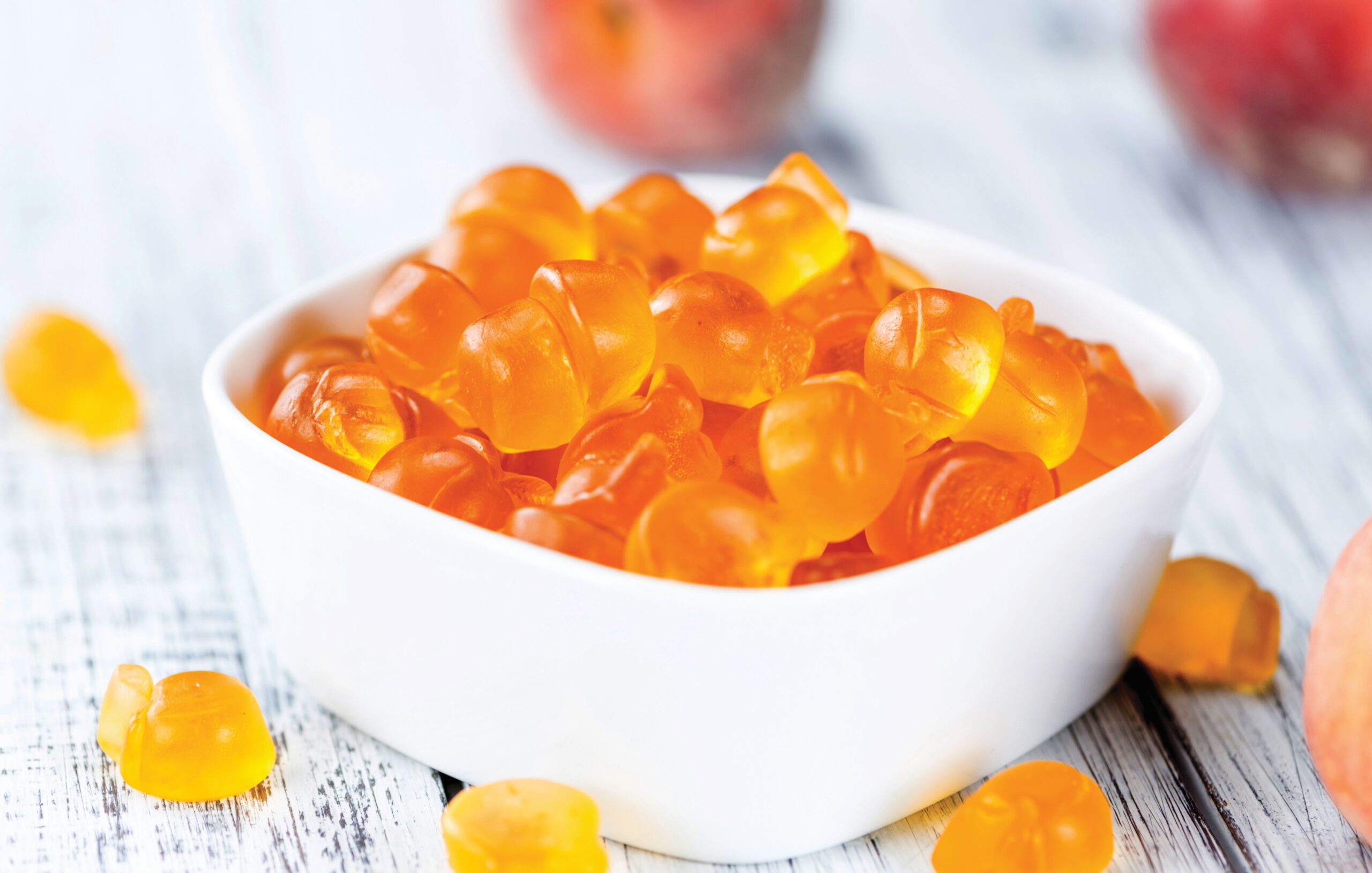
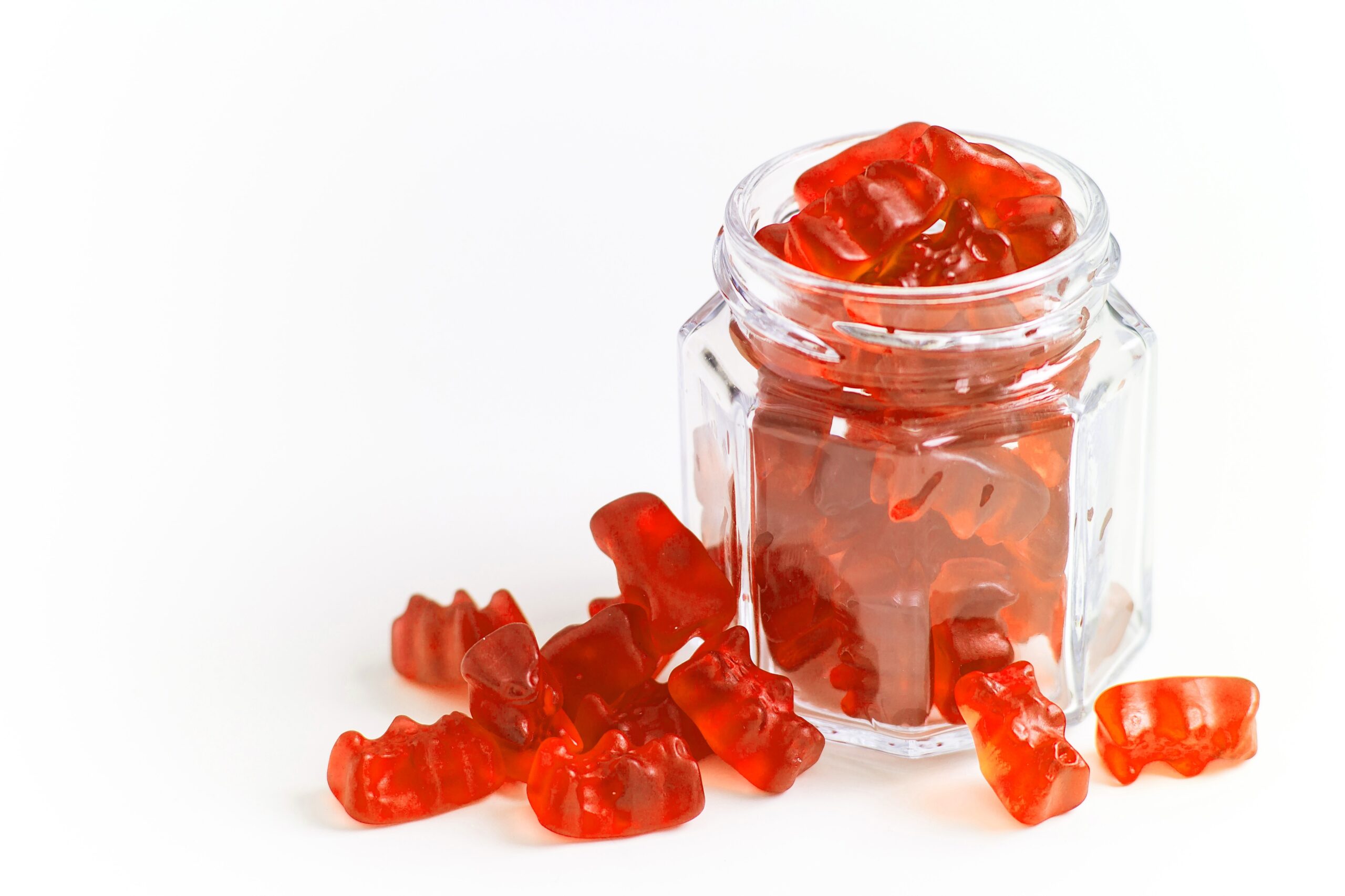
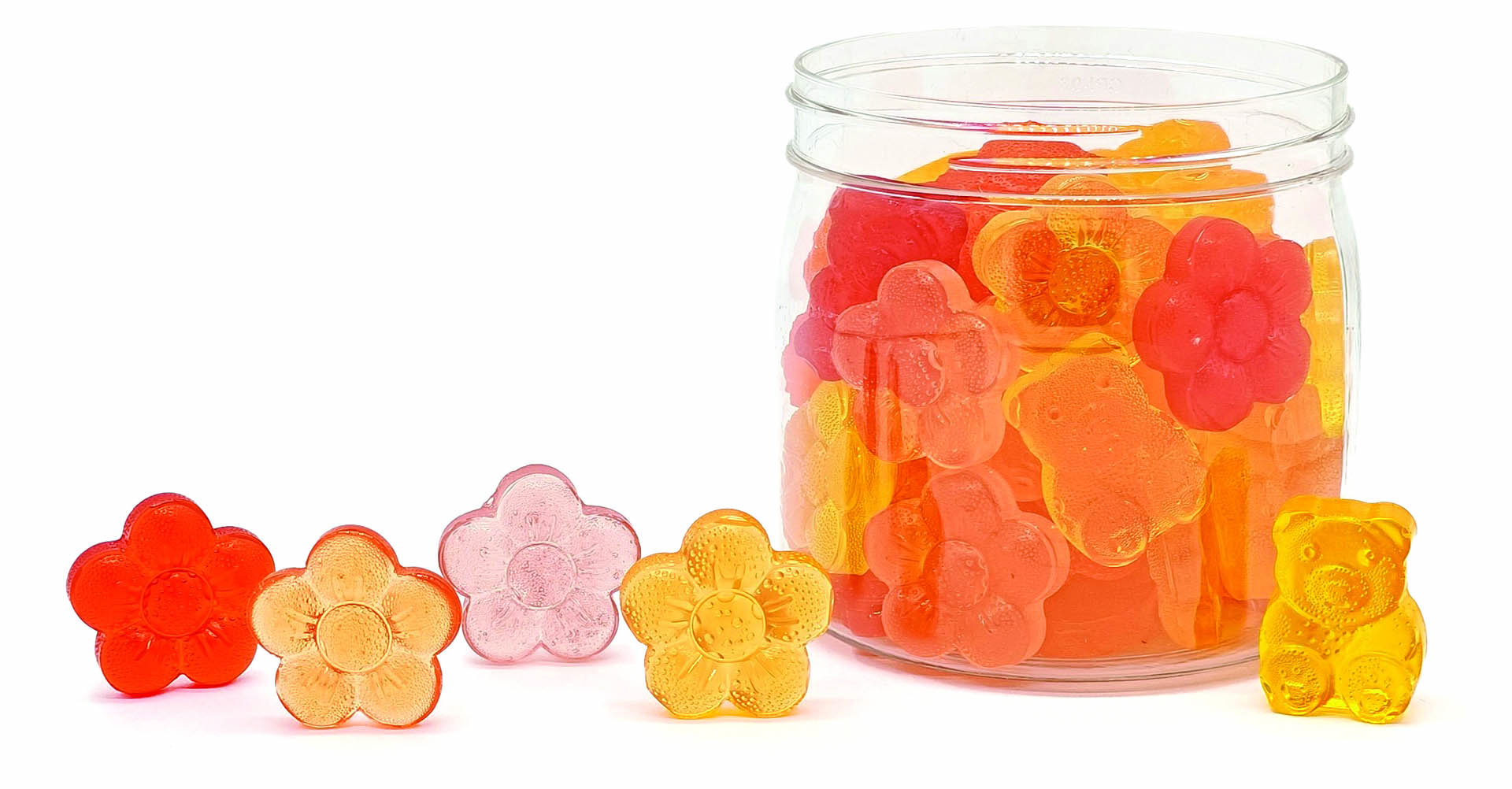
Carotenoids are widely used in the confectionery industry to create natural, vibrant colors in everything from gummies to lollipops. They are popular alternatives to FD&C colors, particularly for products positioned in the clean label markets.
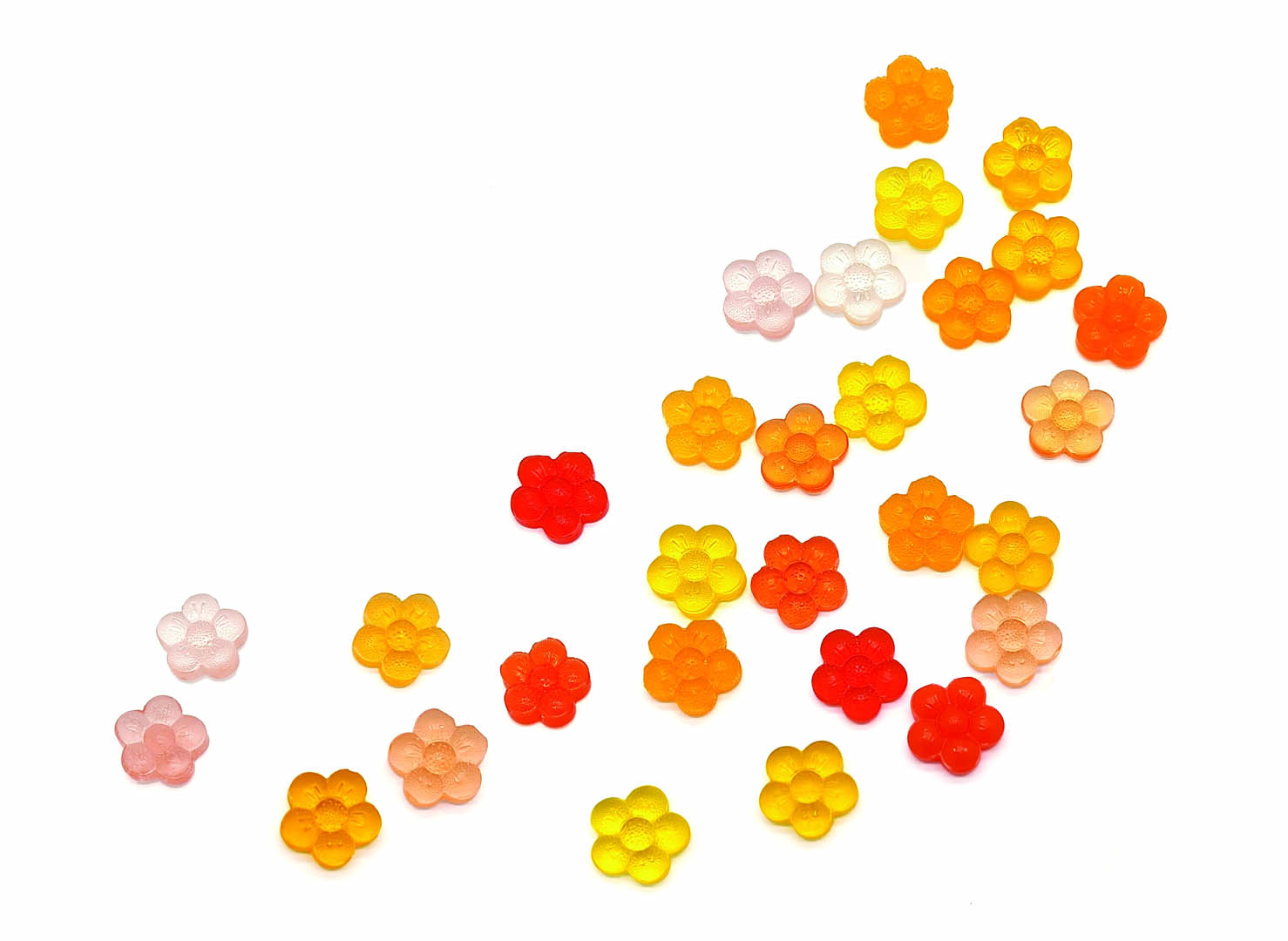
Our carotenoids give vibrant yellow, orange, and red tones that are attractive in candies, gummies, coated chocolates, and desserts. These colors align with fruit flavors (e.g., orange, mango, peach, strawberry), helping consumers connect color with taste expectations. In addition, they add potential nutritional value as antioxidants or provitamin A (for beta-carotene).

Request CONFECTIONERY formulations
We leverage our ingredient and application expertise to prepare standard formulations that support you in your product development. Request the formulations you need today and consult this list regularly. It is frequently supplemented with new formulations.
Can not find what you are looking for? Do not hesitate to contact us. We will develop a formulation suitable for your application.
DIVI’S “FREE-FROM” INGREDIENT RANGE
Consumer demand continues to evolve towards products containing as few additives as possible. In order to help our customers meet this need, we have developed high quality ingredients formulated with less additives. Our various Novel Application product formulations can be used either in supplements or to fortify and color a variety of liquid and dry foods and beverages.

DIVI’S INGREDIENTS FOR VEGAN FOOD
Our range of vitamins and carotenoids includes many forms suitable for vegan diets, as well as plant-based alternatives.
Please consult our catalog for a detailed list of products or contact us for more information.
Divi’s customized support for CONFECTIONERY manufacturers
We offer versatile and personalized solutions to help confectionery product manufacturers achieve their objectives in terms of innovation and product development:

Customized product development and stability testing in all applications
Customized ingredient solutions in liquids, beadlets and powder forms

Analytical testing from basic physical properties to sophisticated analytics

Comprehensive regulatory expertise for all major markets
* Our candy color fan gives an indication of the colors that can be achieved depending on the carotenoids used and their concentration in the final product. It does not guarantee exact color rendering in relation to the final product.
** Regulatory Info
Beta-Carotene
EU: Beta-Carotene (E160a) needs to meet specifications in Commission Regulation (EU) No 231/2012. Addition at “quantum satis” level considering GMP.
USA: Beta-carotene is a direct food substance affirmed as generally recognized as safe. As per 21 CFR 73.95 the color additive β-carotene may be safely used for coloring foods generally, in amounts consistent with good manufacturing practice, except that it may not be used to color those foods for which standards of identity have been promulgated under section 401 of the act unless added color is authorized by such standards.
Apocarotenal
EU: The use of apocarotenal (E160e) as a food additive in the EU is determined by Reg. 1333/2008, specifying the respective food categories and maximum levels. Depending on the respective food category, the use of apocarotenal may be authorized as part of the group III additives where combined maximum limits apply or as individual additive, specified by an entry under E160e.
USA: The color additive [beta]-apo-8’-carotenal may be safely used for coloring foods generally, subject to the following restrictions: 1) The quantity of [beta]-apo-8’-carotenal does not exceed 15 milligrams per pound of solid or semisolid food or 15 milligrams per pint of liquid food. 2) It may not be used to color foods for which standards of identity have been promulgated under section 401 of the act unless added color is authorized by such standards. Labeling: Beta-apo-8’-carotenal (Color). Uses and restrictions: 21CFR73.90
Canthaxanthin
EU: Canthaxanthin(E161g) is not permitted in the EU as a direct food color.
USA: The color additive canthaxanthin may be safely used for coloring foods generally subject to the following restrictions:
(i) The quantity of canthaxanthin does not exceed 30 mg per pound of solid or semisolid food or per pint of liquid food; and
(ii) It may not be used to color foods for which standards of identity have been promulgated under section 401 of the act unless added color is authorized by such standards.
Lycopene
EU: Lycopene (E160d) is permitted for food use in the EU as a color or nutritional ingredient.
USA: Lycopene can only be used as a nutritional ingredient in the USA.
Lutein
EU: Lutein (E161b) is permitted for food use in the EU as a color or nutritional ingredient.
USA: Lutein can only be used as a nutritional ingredient in the USA.